
Go Slower Than You Think You Need To
Parallel agents can save time, but human attention still needs room. A researched, practical guide to smaller waves, clear checkpoints and finishing work you can trust.
Writing archive
Essays on agentic systems, governance, operations, incentives, and the work of making AI useful in real organisations.
Parallel agents can save time, but human attention still needs room. A researched, practical guide to smaller waves, clear checkpoints and finishing work you can trust.
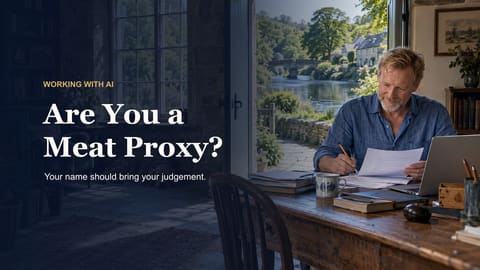
A meat proxy forwards AI-generated work without reading it. A funny name, a serious habit, and four questions before you press Send.

A practical British guide to apprenticeships, funded training, pay and employers in electrical work, cooling, construction and energy infrastructure. Learn a trade first, then specialise.

Already skilled in carpentry, HVAC, electrical work or plumbing? Keep your trade, use AI to find better-fitting work, and compare the whole offer before you move.

We talk about IQ and EQ. What about our ability to work with agents? Seven abilities to practise, a fair way to observe them, and why a new score would need much better evidence.

AI could help Britain deliver more care, better services and cheaper goods. But saving time, growing the economy and making households richer are different things.

We work to pay for life. But a salary, a sense of purpose and a good life are different things. Could AI help us separate them?

Pricing Watch 3: Astra arrives, Sol gets cheaper, and 26 AI model entries are compared with current API prices, GBP costs and careful August-to-September line charts.

Public intelligence will make competent work abundant. Private judgement, trusted relationships and accountable behaviour will remain scarce.
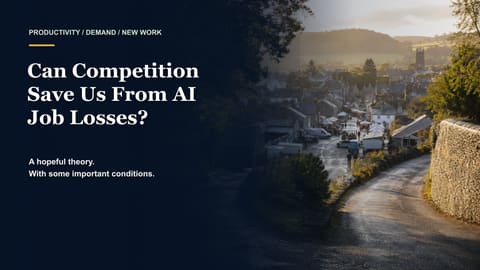
AI productivity can support more jobs when competition turns lower costs into better prices, higher demand and new work, but the outcome is not automatic.

AI can automate parts of organisational coordination, but companies must redesign management roles and incentives before the real productivity arrives.

Why a confidential peer room can give a portfolio CEO something valuable precisely because the investor is not in it.

Why a continuing peer group can help a CEO speak plainly, think better and return to what happened next.

How OpenAI turned a messy GPT-6 Astra rollout into a useful lesson in product recovery.

Why I think investors should value the balcony time, fresh perspective and renewed energy their CEOs can bring back from CEO CF.
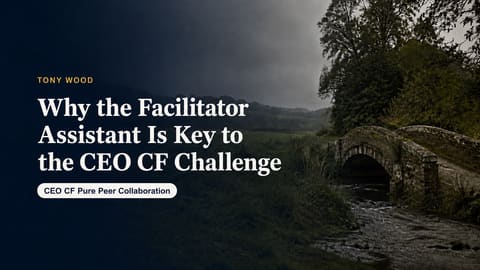
The preparation, coordination, live documentation and follow-through that help a CEO CF Challenge run well, and why typing is only one part of the FA’s job.

What writing, refining, reading aloud and checking together contribute beyond an AI recording and summary.

Why time together can create room for better questions, continuing conversations and useful relationships, and what the evidence says about learning and memory.

Why I value the preparation, questioning, peer perspectives and follow-up in CEO CF’s Challenge format, and what research can tell us about them.

How preparing, explaining, recalling and reviewing what happened after a CEO CF Challenge may help the presenter and their peers learn beyond the meeting.
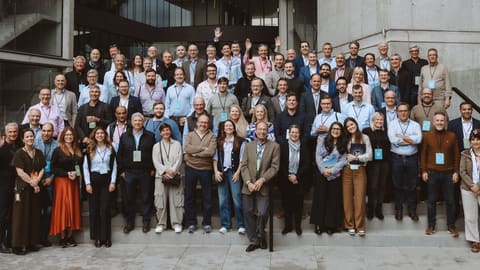
More than twenty years of community, continuing peer groups and three in-person meetings a year. Why I think that combination matters for European business leaders.

AI infrastructure will not only need models and code. It could help Britain train a new generation of electricians, engineers and technicians for the physical economy.

The permanent workforce is smaller than the headline, but a sustained data-centre build programme could help rebuild Britain's electrical and engineering skills base.

A real community is not a room full of people who always agree with you. It is learning how to disagree, set boundaries, repair relationships and know when behaviour has crossed the line.
Privacy choice
Cookieless Matomo analytics help me understand which public pages are useful. They are on by default unless you turn them off, and your choice never affects access to the site.